Korean Skincare Explained: What Makes It Different?
Korean skincare, often called K-beauty, has become increasingly popular around the world. While many people associate it with elaborate multi-step routines, the real difference lies less in the number of products and more in the philosophy behind them.
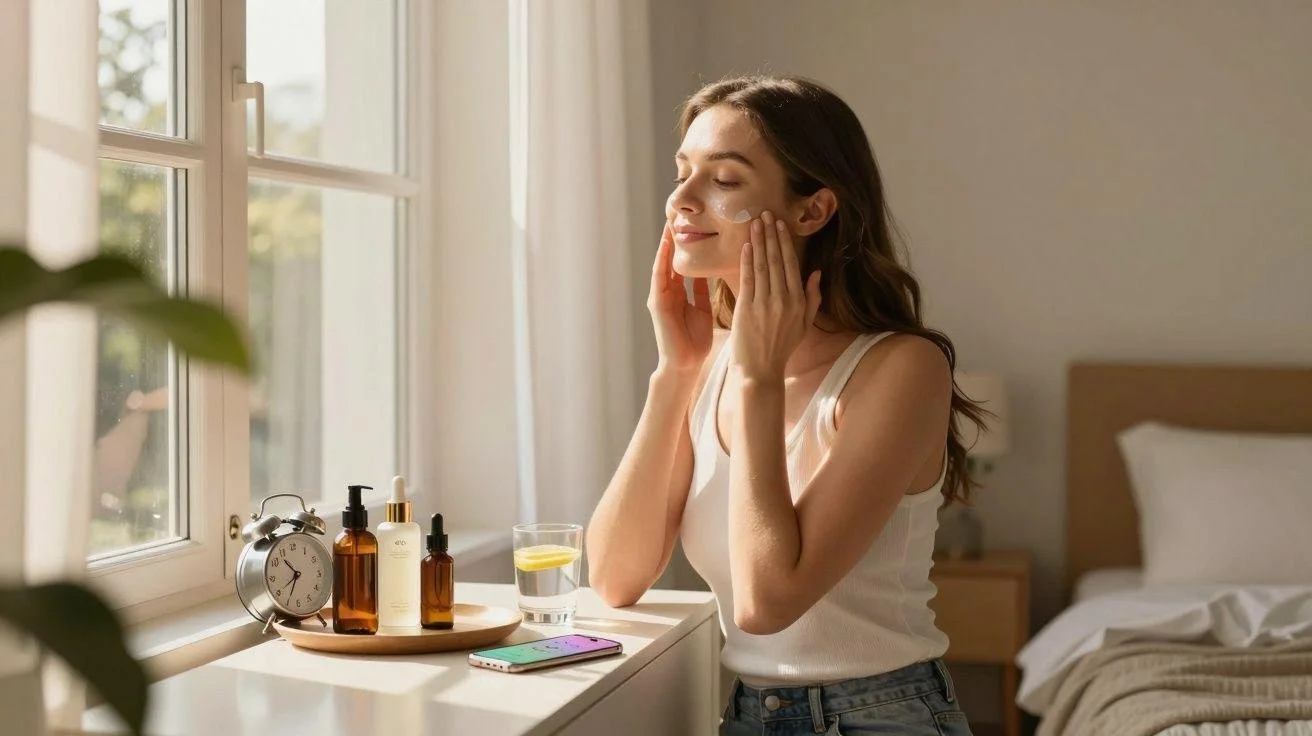
What Is Korean Skincare?
Korean skincare emphasizes maintaining healthy, resilient skin through consistent daily care.
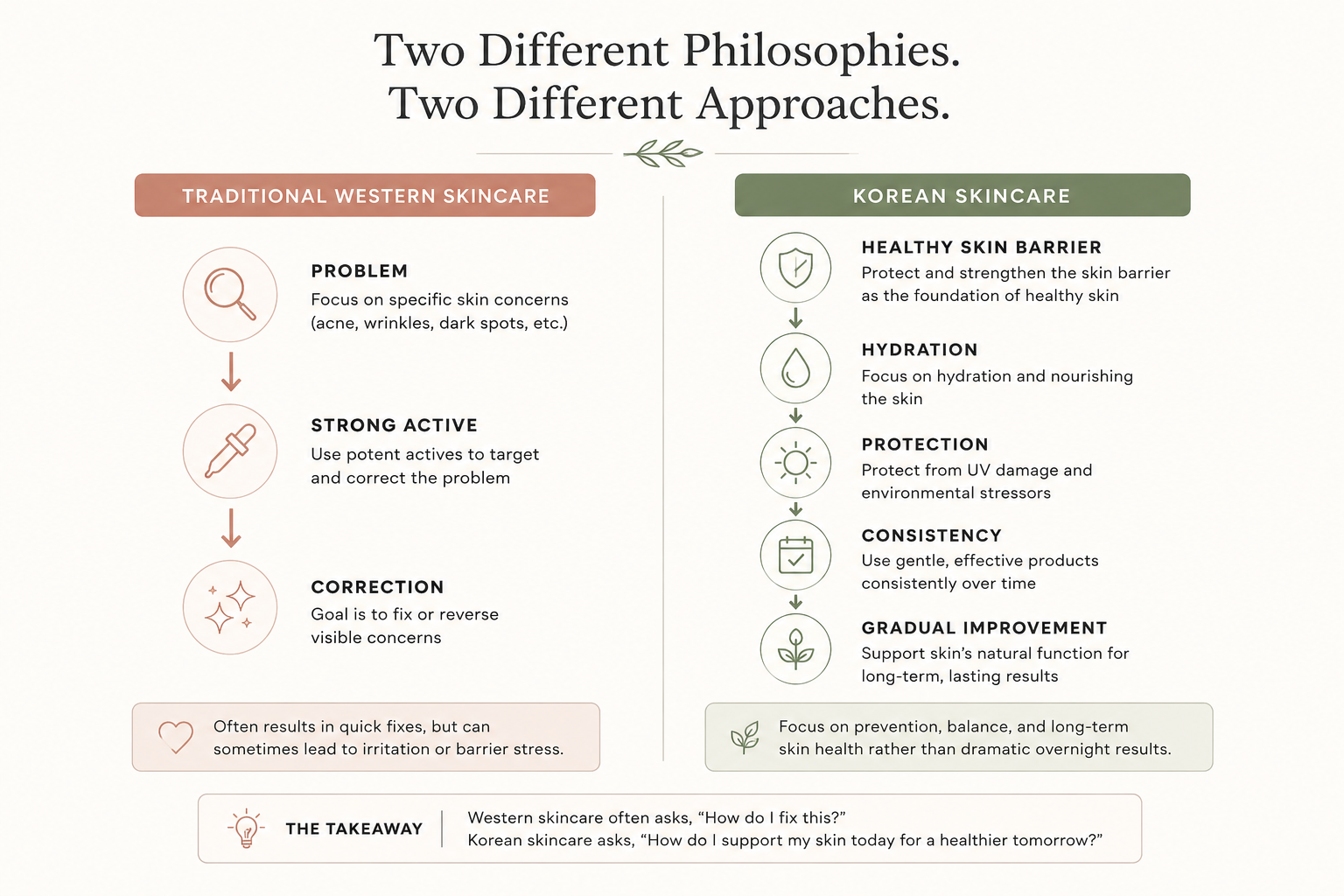
Rather than relying primarily on aggressive treatments, many routines focus on hydration, barrier support, gentle exfoliation, and prevention.
The exact number of products varies from person to person. Contrary to popular belief, not everyone follows a ten-step routine.
How Is Korean Skincare Different?
Compared with many traditional Western routines, Korean skincare often emphasizes:
Hydration
Skin barrier repair
Layering lightweight products
Daily sunscreen
Prevention rather than correction
Gentle ingredients suitable for long-term use
Who May Benefit?
Korean skincare may be especially appealing for people with:
Sensitive skin
Dry or dehydrated skin
An interest in healthy aging
A preference for gradual improvements
Skin that becomes irritated by stronger active ingredients
What Results Should You Expect?
Most Korean skincare products are designed to improve overall skin health rather than create dramatic overnight changes.
With consistent use, many people report improvements in:
Hydration
Skin texture
Barrier function
Brightness
Overall resilience
My Perspective
What interests me most isn't the famous ten-step routine.
It's the underlying philosophy.
As someone interested in healthy aging, I appreciate the emphasis on consistency, gentle care, and supporting the skin's natural barrier.
Whether every product lives up to its reputation remains to be seen, but the overall approach feels remarkably aligned with what we know about maintaining healthy skin over time.
The Bottom Line
Korean skincare isn't necessarily about using more products.
It's about using products that work together to support healthier skin over the long term.
For people with sensitive skin—or anyone looking for a gentler approach to healthy aging—it may be well worth exploring.