Skin Barrier Health: Why It Matters and How to Protect It

If you've spent any time reading about Korean skincare, you've probably come across the phrase skin barrier.
It's become one of the most common concepts in modern skincare—and for good reason.
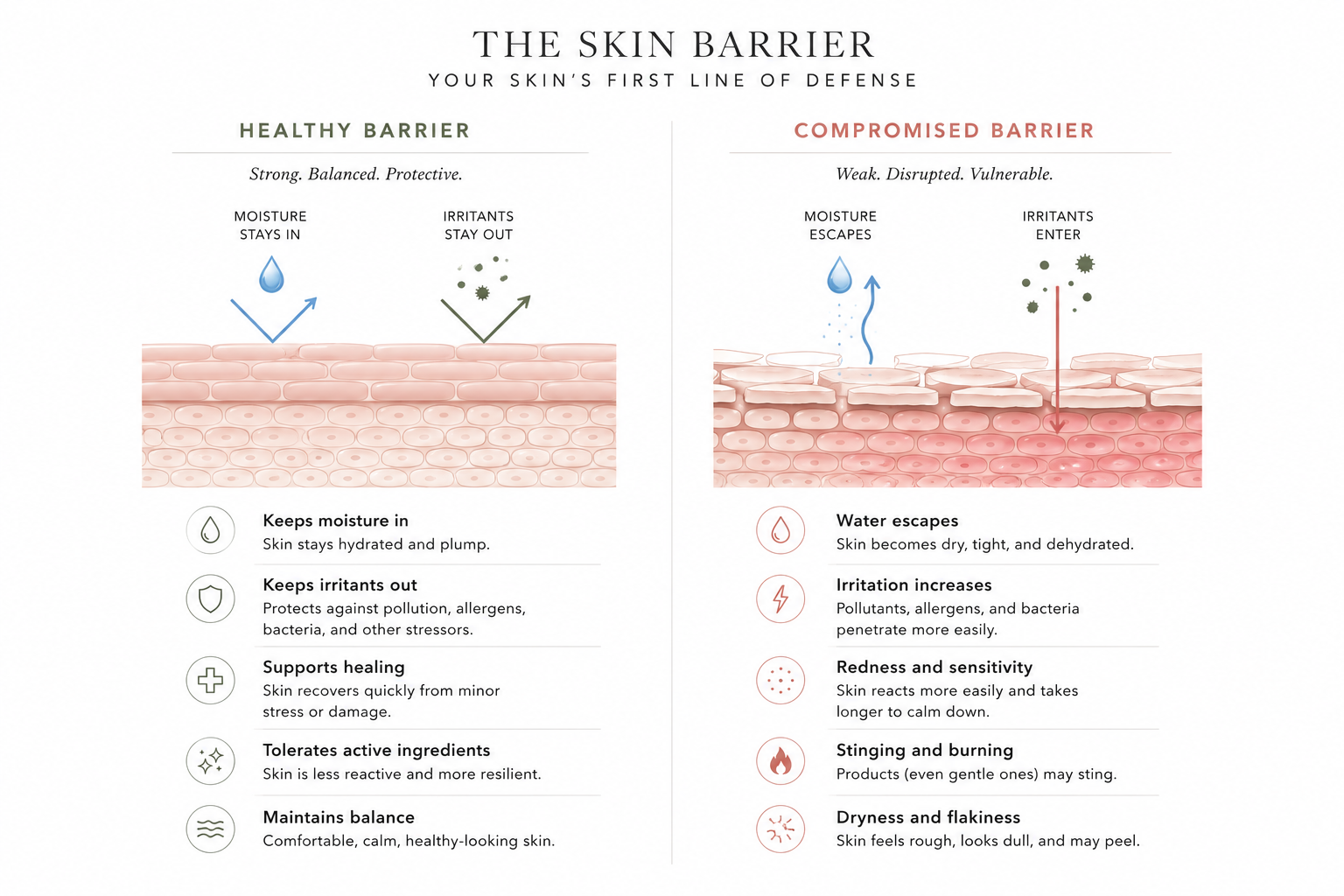
A healthy skin barrier helps your skin retain moisture, defend against environmental irritants, and remain resilient over time. When that barrier becomes damaged, your skin often becomes dry, sensitive, inflamed, or reactive.
Understanding how the skin barrier works may be one of the most useful things you can learn about skincare because it shifts the focus from simply treating symptoms to supporting the skin's natural ability to function well.
What Is the Skin Barrier?
The skin barrier is the outermost layer of your skin, known as the stratum corneum.
Although it's incredibly thin, it performs one of the most important jobs in the body: separating your internal environment from the outside world.
Dermatologists often describe it as a brick wall.
Bricks: Skin cells (corneocytes)
Mortar: Lipids such as ceramides, cholesterol, and fatty acids
Together, they form a protective barrier that:
Keeps water from escaping
Helps prevent bacteria, allergens, and pollutants from entering
Reduces irritation
Supports wound healing
Maintains healthy, resilient skin
When this barrier is functioning well, your skin is better able to regulate itself.
Signs Your Skin Barrier May Be Damaged
A weakened skin barrier can look different from person to person, but common signs include:
Persistent dryness
Tightness after cleansing
Redness
Increased sensitivity
Products that suddenly sting or burn
Flaking or rough texture
Skin that feels irritated despite using moisturizers
These symptoms often overlap because they may share the same underlying cause: a barrier that has become less effective at retaining moisture and protecting the skin.
What Can Damage the Skin Barrier?
The skin barrier is remarkably resilient, but it isn't indestructible.
Common causes of barrier damage include:
Over-cleansing
Frequent exfoliation
Harsh cleansers
Excessive use of active ingredients
Hot showers
Dry climates
Sun exposure
Natural aging
Ironically, many people unintentionally weaken their skin barrier while trying to improve their skin.
Layering multiple active ingredients without allowing the skin time to recover can leave it increasingly irritated rather than healthier.
How Korean Skincare Supports Barrier Health
One of the reasons Korean skincare has gained worldwide attention is its emphasis on maintaining a healthy skin barrier.
Rather than relying primarily on strong corrective treatments, many Korean skincare routines prioritize:
Gentle cleansing
Lightweight hydration
Barrier-supporting ingredients
Daily sunscreen
Consistency over intensity
The goal isn't simply to solve today's skincare problem.
It's to create the conditions that allow healthy skin to function well over the long term.
That philosophy resonates with me because it shifts the question from:
"How do I fix this?"
to:
"How do I help my skin stay healthy?"
Ingredients That Support the Skin Barrier
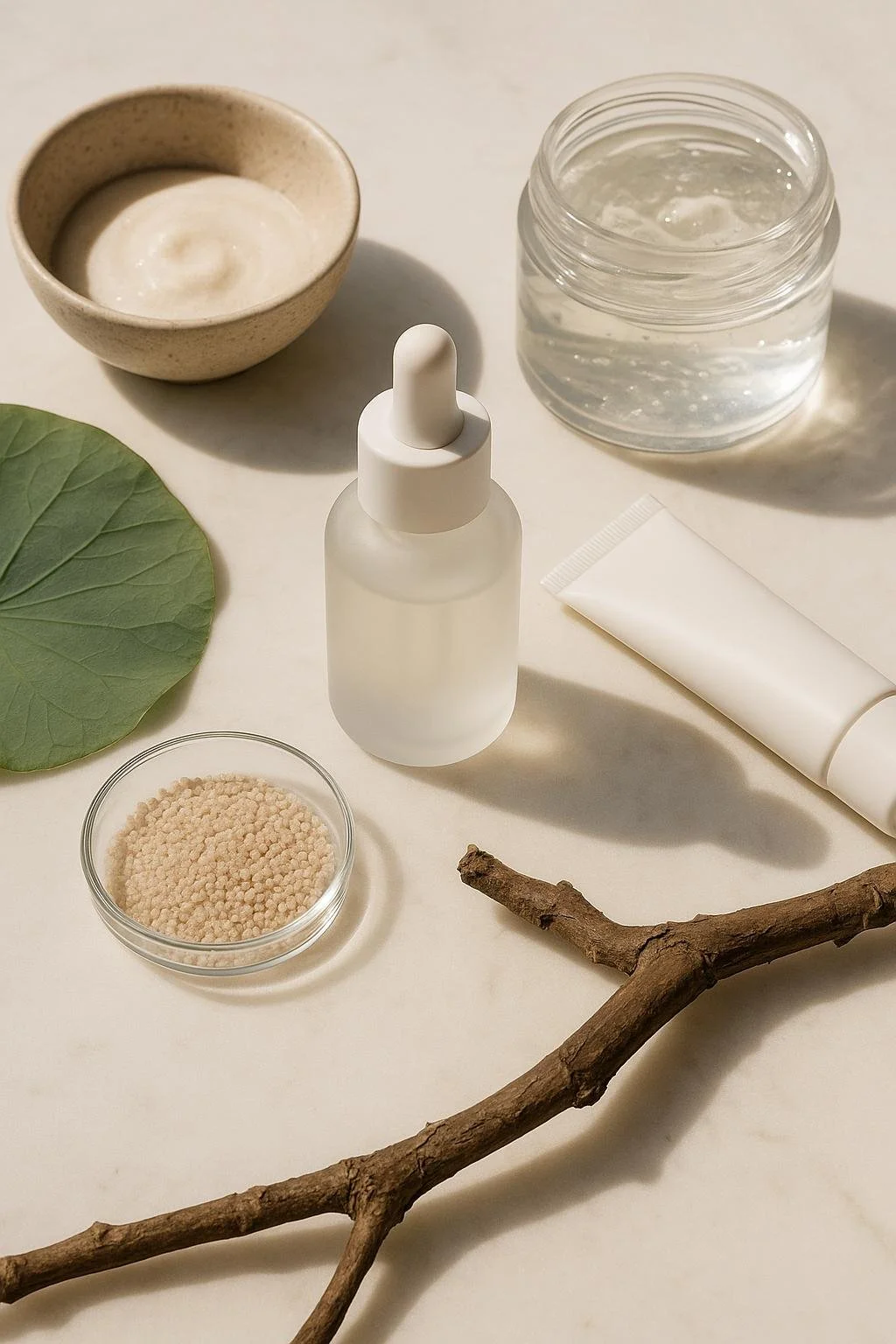
Many products designed to support barrier health contain ingredients such as:
Ceramides
Glycerin
Hyaluronic acid
Panthenol
Centella asiatica (cica)
Squalane
Beta-glucan
These ingredients don't necessarily produce dramatic overnight results.
Instead, they help improve hydration and support the skin's natural protective functions over time.
My Perspective
As someone with sensitive, redness-prone skin, learning about the skin barrier changed the way I think about skincare.
I still use active ingredients like azelaic acid because they've noticeably improved my skin.
But I no longer think of them as the foundation of my routine.
Instead, I see them as tools that work best when my skin is already healthy enough to tolerate them.
That's one reason I've begun exploring Korean skincare. I'm less interested in following a multi-step routine than I am in understanding the philosophy of supporting the skin before asking more of it.
The Bottom Line

Healthy skin isn't simply the result of finding the strongest active ingredient.
It's the result of maintaining a healthy, resilient skin barrier that can retain moisture, defend against irritation, and recover from everyday stress.
For me, that's one of the most valuable lessons Korean skincare has to offer.
It also feels like a reminder of something much broader.
Healthy systems—whether they're skin, gardens, organizations, or communities—rarely thrive because of a single intervention.
More often, they thrive because the underlying conditions support resilience over time.