Azelaic Acid: Benefits, Side Effects, and What the Evidence Says

Azelaic acid has become increasingly popular in skincare, particularly among people dealing with redness, rosacea, acne, post-inflammatory hyperpigmentation, and sensitive skin. But does it live up to the growing enthusiasm?
The short answer is yes—at least for many people.
Unlike some skincare ingredients that generate excitement primarily through marketing, azelaic acid has a substantial body of clinical research supporting its use. It is available in both prescription and over-the-counter formulations and is generally considered well tolerated by most skin types.
What Is Azelaic Acid?
Azelaic acid is a naturally occurring dicarboxylic acid found in grains such as wheat, rye, and barley. In skincare, it is used because of its anti-inflammatory, antibacterial, and pigment-regulating properties.
What Does Azelaic Acid Do?
Research suggests azelaic acid may help:
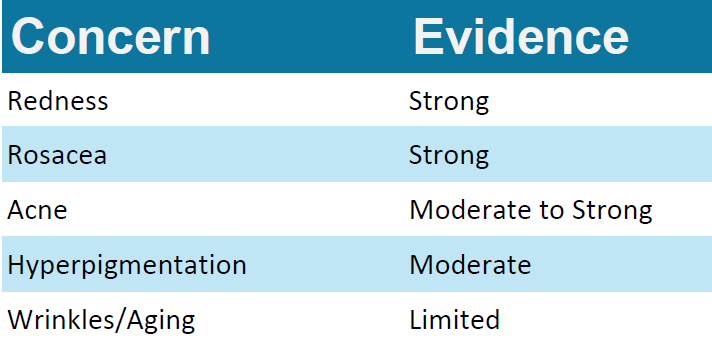
Reduce facial redness
Improve rosacea symptoms
Treat mild to moderate acne
Fade post-inflammatory hyperpigmentation
Promote a more even skin tone
Reduce inflammation associated with breakouts
Who May Benefit Most?
Azelaic acid may be particularly helpful for people with:
Rosacea
Persistent facial redness
Acne-prone skin
Post-inflammatory hyperpigmentation
Sensitive skin that cannot tolerate retinoids
Potential Side Effects
Most people tolerate azelaic acid well, but some experience:
Dryness
Mild stinging
Itching
Temporary irritation
Starting slowly—one to three times per week—can help minimize these effects.
My Experience
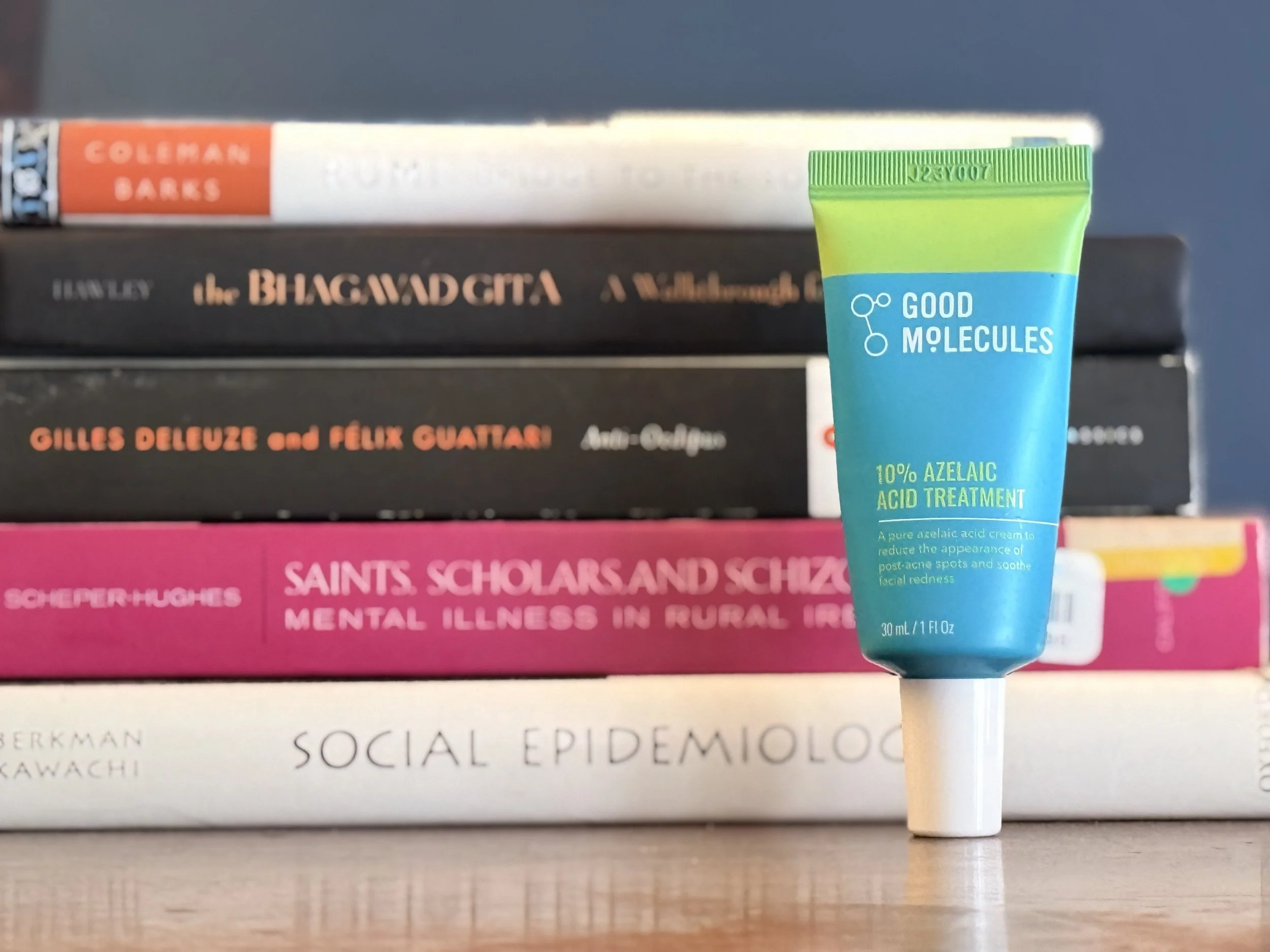
As someone with sensitive, redness-prone skin, I've found azelaic acid surprisingly effective. While the results were gradual, I noticed reduced redness and inflammation within the first several months of consistent use.
What impressed me most was not the speed of the results but the fact that I was able to continue using it comfortably. Many active ingredients promise benefits but become difficult to sustain because of irritation. Azelaic acid has been one of the few that felt both effective and manageable.
The Bottom Line
Azelaic acid may not generate the excitement of newer skincare ingredients, but it remains one of the most versatile and well-supported options available. For people struggling with redness, sensitivity, rosacea, acne, or uneven pigmentation, it may be worth considering as part of a long-term skincare routine.